
DIY Moving in Sydney: How to Pack, Load and Move Without a Removalist
Why People Choose to Move Themselves
Let's be honest — moving isn't cheap, and hiring a removalist isn't always in the budget. Maybe you've got a few strong mates and a free weekend. Maybe you like the idea of putting the kids to work carrying boxes instead of scrolling on their phones. Or maybe you just like a challenge and want to say you did it yourself.
Whatever your reason, here's the truth from us, a removalist company: moving yourself is absolutely possible. It just takes the right prep, the right gear, and a bit of patience. This guide will walk you through exactly what you need and how to do it properly, so nothing gets damaged (including your back).
What You'll Need
Before moving day, get these sorted:
A truck or van hire. You'll need something bigger than your average car boot. If you're in Sydney, we'd recommend Avis truck hire — they've got a range of truck sizes to suit anything from a studio apartment to a full family home, and you don't need a special licence for most of their smaller trucks.
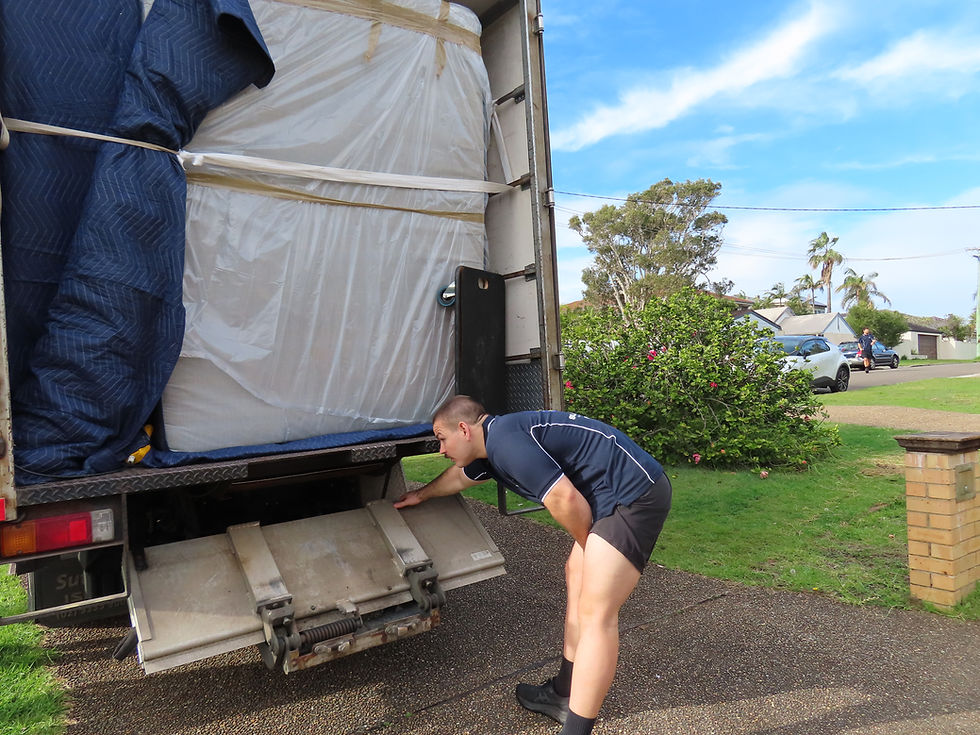
Padding and protective covers. Grab a stack of old sheets, linen, and towels you don't mind getting dirty or scratched — these are perfect for wrapping furniture and protecting surfaces in the truck. If you don't have enough lying around, most removalists (us included) sell secondhand moving blankets, which are worth picking up if you want proper protection for furniture corners and edges.
A trolley and a dolly. These two are non-negotiable. A furniture dolly (the flat one with wheels) lets you shift heavy items like fridges and couches without throwing your back out, and a hand trolley makes stacks of boxes much faster to move than carrying them one at a time.
Moving straps. Ratchet straps or shoulder-lift straps make a huge difference when it comes to carrying awkward, heavy items like wardrobes and mattresses — and they're essential for securing everything once it's loaded in the truck so nothing shifts in transit.
Quality moving boxes. Don't cheap out here. Flimsy boxes collapse under weight or split open mid-carry, which is how things get broken (or how someone gets hurt). Buy sturdy, moving-grade boxes from your local box shop, [our box shop link], or a local storage facility — most sell them individually or in bundles sized for a full move.
How to Pack a Moving Truck Properly
This is where most DIY moves go wrong — not because people aren't careful, but because they don't know the order things should go in. Here's the method removalists actually use.
1. Plan before you load
Do a quick walk-through of what's going in the truck and roughly how much space it'll take up. It sounds unnecessary, but five minutes of planning saves you from having to unload and repack a truck that's suddenly "full" with a room and a half still sitting on the nature strip.
2. Heavy and large items go in first
Load your biggest, heaviest furniture — wardrobes, couches, fridges, washing machines — against the back wall of the truck first. This keeps the weight low and stable, and it means these items don't end up sliding around on top of your boxes.
3. Stand flat items up, not down
Mattresses, tabletops, mirrors, and couch cushions should be loaded on their side, standing up against the walls of the truck, rather than laid flat. This uses the space far more efficiently and actually makes them less likely to get damaged or warp under weight.
4. Boxes go in stacked and sorted
Heaviest boxes on the bottom, lightest on top. Try to keep boxes of a similar size stacked together — it makes for a much sturdier stack than mixing sizes, which tends to collapse.
5. Build the load in even, level tiers
Think of the truck as being packed in layers, not just "big stuff, then boxes." Each tier should sit roughly level across the width of the truck before you start building the next one on top — that's what stops the whole load shifting or collapsing on the drive.
A good tier might look something like this:
Base layer: A padded chest of drawers laid across the load, with heavy boxes stacked on the floor next to it.
Second layer: More boxes stacked on top of those heavy boxes, roughly level with the top of the chest of drawers.
Third layer: Four dining chairs sitting on top of the boxes.
Top layer: Soft, light items — cushions, bags of linen, light chairs — finishing off the top of the tier.
The key rule: keep each tier the same height across the truck. If one section ends up higher or lower than the rest — boxes on one side, a gap on the other — that's exactly where things start to move around. If a tier can't be kept level, ratchet strap it in place — running the strap from one side of the truck to the other — before you build the next layer on top.
6. Fill every gap
Any gap between items is a gap where things can shift and topple during the drive. Use soft items — pillows, cushions, rolled-up towels, or those old sheets and blankets from your "what you'll need" list — to fill the empty spaces and stop things moving around.
7. Fragile and last-needed items go in last
Pack anything fragile, or anything you won't need until last, right at the back of the truck near the doors. That way it's the first thing off when you arrive, and it's not buried under everything else or getting crushed by heavier items loaded on top later in the day.
8. Strap everything down
Once the truck is loaded, use your moving straps to secure large furniture items to the truck's anchor points if it has them, and strap across stacks of boxes to stop them toppling on the drive. This one step prevents most of the damage that happens during DIY moves.

Packing Tips for Fragile and Awkward Items
Glassware and dishes: Wrap each piece individually in paper or a tea towel, and pack them vertically (like records in a crate) rather than flat — it's a lot stronger against pressure.
Mirrors and artwork: Wrap in a blanket or moving pad and stand upright in a box or against a wall, never laid flat under other items.
Electronics: Use original boxes where you still have them. If not, wrap well and avoid extreme temperatures in the truck for anything with a screen.
TVs: Stand the TV upright and pack it flush against a mattress (or sandwich it between two mattresses) rather than letting it lean on its own — the mattress absorbs knocks and vibration from the drive and stops the screen taking pressure from other items.
Mattresses: A mattress bag keeps it clean and makes it easier to slide in and out — stand it on its side rather than laying it flat.
Planning Your Moving Day Timeline
A DIY move runs a lot smoother with a rough schedule. As a guide:
The week before: Confirm your truck booking, collect boxes, and start packing rooms you don't use daily.
2–3 days before: Pack everything except the essentials — kitchen, bathroom, a few outfits.
The day before: Pack your essentials box (kettle, toiletries, chargers, medications), and confirm your helpers know the plan and the time.
Moving day: Load the truck using the order above, do a final walkthrough of the old place, then unload heaviest items first at the new place.
Safety Tips Worth Taking Seriously
Lift with your knees, not your back, and don't be a hero — get a second person on anything heavy or awkward.
Wear closed-toe shoes and gloves if you've got them.
Know your truck's height and weight limits before you drive it, especially if you're not used to driving something that size.
Keep pathways and stairs clear of trip hazards while you're loading.
Common DIY Moving Mistakes to Avoid
Underestimating how long it takes. DIY moves almost always take longer than expected — build in buffer time.
Not having enough boxes. Running out mid-pack is one of the most common (and stressful) hiccups.
Skipping the padding. Furniture-on-furniture contact without protection is the single biggest cause of scratches and dents.
Overloading the truck. More weight than the truck is rated for is a safety risk, not just an inconvenience.
When It Might Be Worth Calling in the Professionals
DIY moving is genuinely doable if you're organised and have a bit of help — but if moving day creeps up on you, the weather turns, or you just don't have enough hands on deck, that's exactly what removalists like us are here for. Even a couple of hours of help loading or unloading the heavy stuff can take the pressure off without blowing the whole budget.
Either way — good luck with the move, and enjoy the new place.


Comments